

We joined the Wetland Link International network and we are establishing the Kampinos Vistula Valley Educational Centre.
On 5 August 2026, the Association received a certificate confirming its membership of the Wetland Link International network. Founded in 1991, WLI is a global network of wetland educational centres. It defines a wetland educational centre as “any wetland where there is interaction between people and wildlife, and where CEPA (communication, educational and public awareness) activities support the conservation objectives of wetlands”. The WLI’s objectives include: supporting and promoting the development of new wetland educational centres and related programmes worldwide.
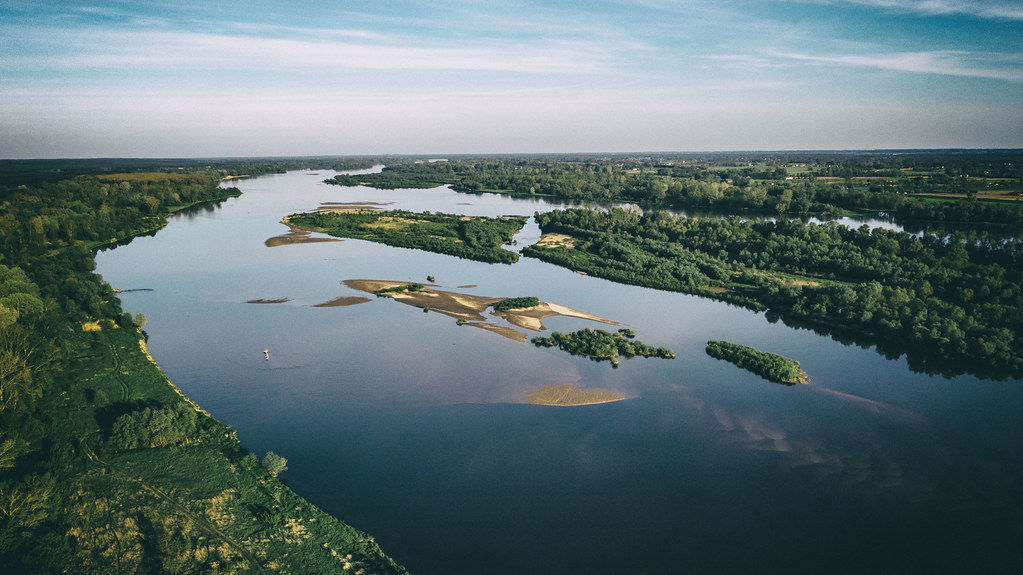
The Association’s strategic objective is to have a 40-kilometre stretch of the Vistula, from the bridge at Modlin to the bridge at Wyszogród, included on the list of wetlands of international importance. The list is part of the Ramsar Convention, an international treaty signed in 1971 to promote, protect and ensure the sustainable use of wetlands worldwide.
According to the Ramsar Convention, wetlands are “…areas of marshes, mudflats and peatlands
or bodies of water, whether natural or artificial, permanent or temporary, with standing or flowing water,
fresh, brackish or salt, including marine waters, the depth of which at low tide
does not exceed six metres.”
172 countries have signed the Convention, designating over 2,400 sites.
Poland has so far included 19 wetland areas on the ‘Ramsar List’.
World Wetlands Day is celebrated every year on 2 February.
The Vistula (Wisła) river is on of last unregulated big rivers in Europe. Due to it’s wild state no commercial traffic is observed. The area of our further activity t is located between flood walls on the leg long about 40 kilometres, wide 1.2 – 1.5 kilometres, with many islands and disappearing remains of the regulation. Sand is the dominating bottom material. It gives shelter to tens of thousands of birds, especially on the islands, which are protected as Nature 2000 areas and additional restrictions if necessary in particular locations Usual people’s presence is limited to amateur fishermen and tourists-kayakers.
Our approach may seem unusual, as we do not locate our activity in a certain geographical point, creating no typical center where visitors arrive. Instead, we want to move along 40 km leg of a big great river, visiting and educating various communities. Currently, this is achieved through the internet and real temporary exhibitions, but ultimately we want to bring this idea to life by building a floating educational station, kind of a floating class to act in an open public space rather than restricted area.
Profile of the Educational Centre being set up by the Society on the WLI website:
https://wli.wwt.org.uk/?member=kampinoska-dolina-wisly